

How We Repair Ducts using patented Aeroseal technology
What Maxseal Does
Maxseal measures and seals leaks in ductwork in both residential and commercial buildings. Eliminating duct leakage has 4 key benefits:
How we eliminate duct leakage
We follow a comprehensive 6-Step Process to get you 25%-40% more airflow out of your existing HVAC system
Step 1: We establish the baseline
We measure the volume of air you're getting at each register - this gives us the actual volume of air you're getting into your rooms. We then hook up specialized equipment, such as a Duct Blaster, to pressurize the ducts and measure the volume of leakage. Now we know 'what your getting' and 'what your losing' then we can work out how much we can recover for you by repairing and Aerosealing your ducts.
Step 2: We seal the register boots
We manually seal all your floor, ceiling, and wall register boots with foil backed mastic tape to create a flexible airtight seal between the boot and the ceiling/wall surface.
After sealing your register boots, we now block them with either high density foam or specialized tape so that they can be pressurized for the automated sealing process
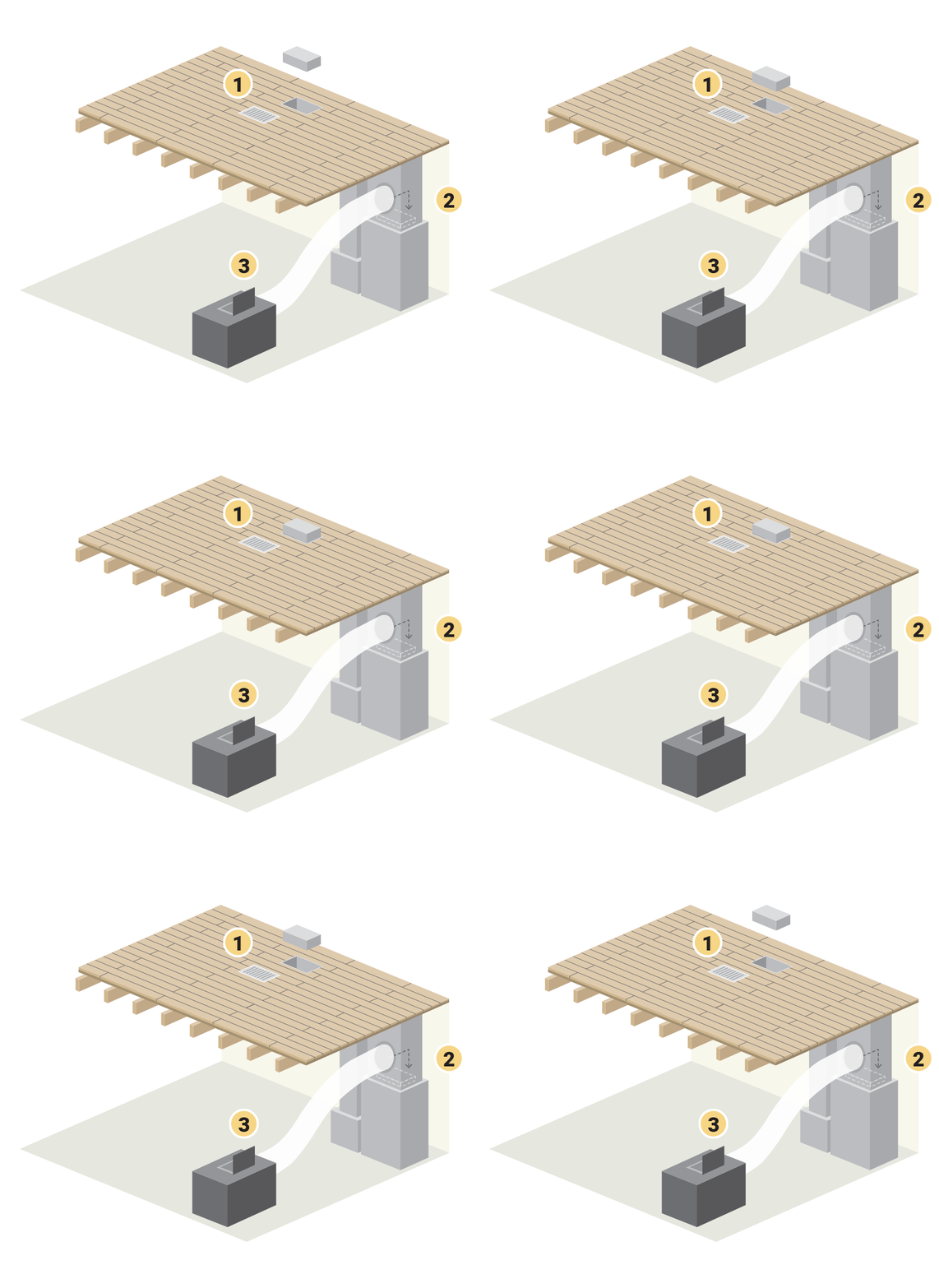
Step 3: We protect the furnace/heatpump
Vital components, such as furnaces, coils, smoke detectors, and other sensors, are protected to prevent contact with the sealant
The patented Aeroseal equipment is connected to the duct system through plastic lay-flat tubing, either via an existing register or an access hole in the ductwork. It pressurizes the duct system and measures initial duct leakage.
Step 4: We seal the ductwork from the inside
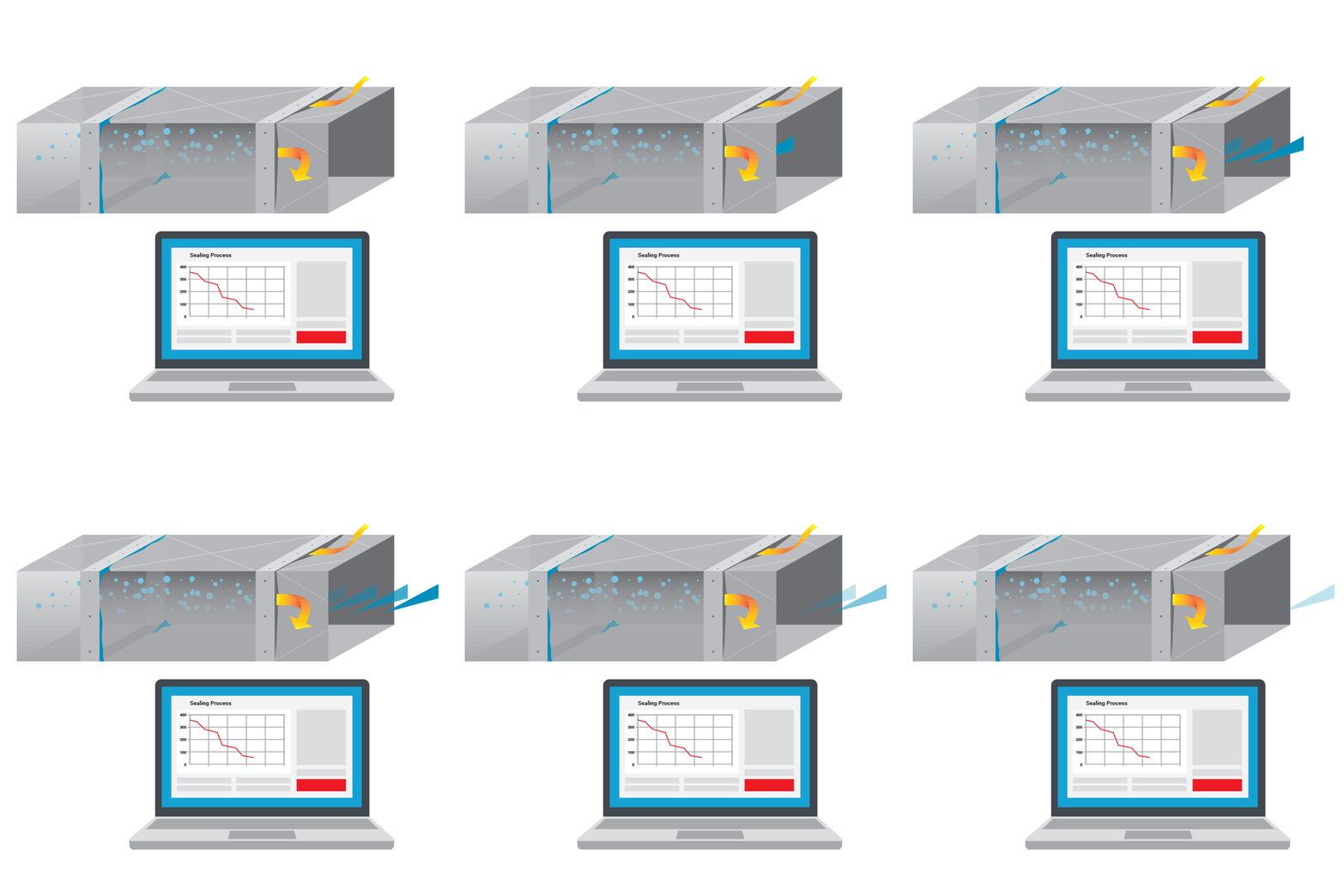
The patented Aeroseal equipment now starts sealing ducts from the inside, sealing only where needed. The ultra low VOC, non-toxic sealant is atomized and sprayed into the lay flat tubing where it’s exposed to heated air, removing moisture from the sealant to make it temporarily sticky, the pressurized air now carries the sealant to the all the leaks in the duct system..
As the sealant escapes through a leak, the sealant slowly builds up, collecting onto itself, until the leak is sealed. The entire process is monitored by our Aeroseals proprietary software, making automatic adjustments to pressure and flow rate to optimize effectiveness.
Step 5: We certify the seal
When the target leakage rate is reached, typically between 3-4%, the equipment is turned off, and any access holes are patched. Tape and blockers are removed, and the HVAC system is restored to normal operation. A certified seal report is generated, showing how much leakage was eliminated by the Aeroseal process.
Step 6: We measure again
Now we retest with the same methodology in Step 1. This gives us the data to show you how much we increased airflow in each room, how much we’ve evened out the airflow between rooms, total increase of airflow, total reduction in air leakage across your whole system.
We're very proud of the results we achieve for our customers. See our verified before and after results and read customer testimonials on our Results Page. We'll take great care of your home and all our reviews on Google and Yelp are 5 stars.
- 25-40% typical increase in total airflow volume
- 10-25% typical energy savings
- <4% duct leakage typically achieved
- 10-year warranty on sealing performance
- Before-and-after documentation provided
- Utility rebate application assistance
